 When my two boys were finishing second and third grade, my Mother invited us to go with her on a trip to Lake Atitlan in Guatemala. I had always planned on traveling with my children, after all, I had loved every country I had ever visited, and I wanted them to have happy memories with their grandma too — so it was easy to say, "yes."
My husband was working and could not come at the time the trip was scheduled, and Mom signed us up to go with a group that would be building concrete houses in Santiago, Atitlan.
Now we are far from rich in American standards but I had travelled enough to know that we are very rich in the world view. My boys were sweet and friendly, but I knew that they took a lot for granted. If Dad and Mom could not afford a toy, then just asking a grandparent had a way of working out for them. The fact that our home only had one bathroom for the 4 of us, was not the norm in the homes they overnighted in. They could not really imagine a place where one concrete room and a shared water spigot in a common are might be considered a grand home.
So we flew from Portland, to Houston and waited in the airport for 7 hours to meet their granmother and my brother, their uncle Lance. Lance has Down's syndrome, but a real gift for making friends. As we flew to Guatemala City, and then went by bus to Panajachel, and spent the night in a walled school there, the beauty of the greenery balanced the poverty of shacks and litter and the boys were enthralled.
 Then we got on a boat to Cross the volcano lined lake, and for a short distance even travelled a watery highway between "bullrushes." My older son loves all things water, and was excited by the boat and fascinated by the small fishing boats and single men standing up fishing in them. Neither boy was too eager to try their hand at washing theirclotes on the rocks that lined the lake but they were willing to stomp their clothing clean as they showered.

 Our cabin was a luxurious stone and wood cabin at the Posada in Santiago. It was set in among Banana, fig, orchids, Dragonfruit and the kind of lushness I had only ever seen before in the Otrgon Coastal area. There were wonderful weavings and leatherwork and embroidery and woodcarvings.


but there was also poverty, and begging and children who did not attend school because they made things all evening to sell on the streets every day.
 Then we got on a boat to Cross the volcano lined lake, and for a short distance even travelled a watery highway between "bullrushes." My older son loves all things water, and was excited by the boat and fascinated by the small fishing boats and single men standing up fishing in them. Neither boy was too eager to try their hand at washing theirclotes on the rocks that lined the lake but they were willing to stomp their clothing clean as they showered.
 Our cabin was a luxurious stone and wood cabin at the Posada in Santiago. It was set in among Banana, fig, orchids, Dragonfruit and the kind of lushness I had only ever seen before in the Otrgon Coastal area. There were wonderful weavings and leatherwork and embroidery and woodcarvings.


but there was also poverty, and begging and children who did not attend school because they made things all evening to sell on the streets every day.
We had been warned not to approach children because no-one wanted to make their parents feel threatened by strangers, but with my handicapped brother's warm smile and my two friendly boys, the children flocked around us. At first they were shy and then they tried to beg from us, but in a couple days they were kicking soccer balls and playing blind man's bluff with my boys.
 We did go to the work site and spent one day cutting re-bar and clearing rocks, but because the project had just finished one house and was not ready to begin the next, we were appologetically asked if we would mind visiting a school to volunteer instead.
 Mind! It was the best thing that could have happened to us of course. Since I am a teacer and a storyteller and we had children with us, we were delighted at the opportunity. It could have been strange, neither the Mayan children in their clan weaving uniform, or my children seemed to notice that they did not speak the same language,
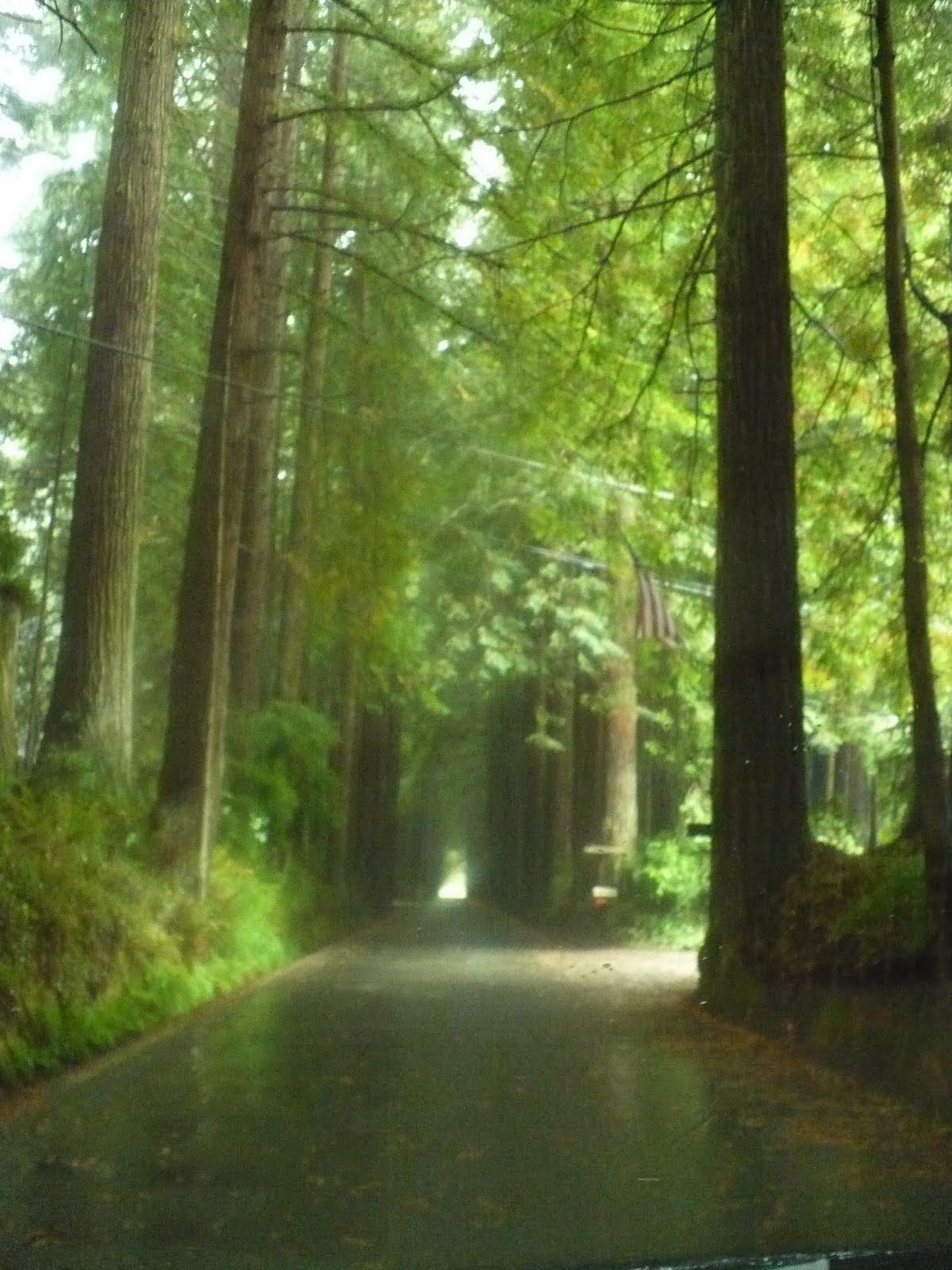
 We sang each other songs and shared photographs of our ocean and redwoods and then gathered outside where my boys taught them "Duck, Duck, Goose" and they taught us "Cat and Mouse"
 Then we shared lunch and smiles and it was all good. The children were Tzuitajil Mayan, but the school taught in Spanish. After lunch, they tried to teach us some Mayan phrases and the idea behind their base 12 math. It was wildly interesting and we were glad that the visit would continue more days.
 When at last we had to climb aboard the boat to begin our trip home, a parade of children came to the docks with us and as the boat pulled away, they threw a rain of beaded bracelets and keychains into the boat and yelled, "Come back next year!"
 We never made it back, or not yet, but it made an impact. My boys came home and signed up to support a Guatemalan boy and raised money to send him every month for three years, we read an intense book, by Sister Dianna ortiz, called "The Blindfold's Eyes" about another side of Guatemala's recent history. And eventually much of our experience is finding its way into the first two "Duffy Barkley" books as well.








 I
I